
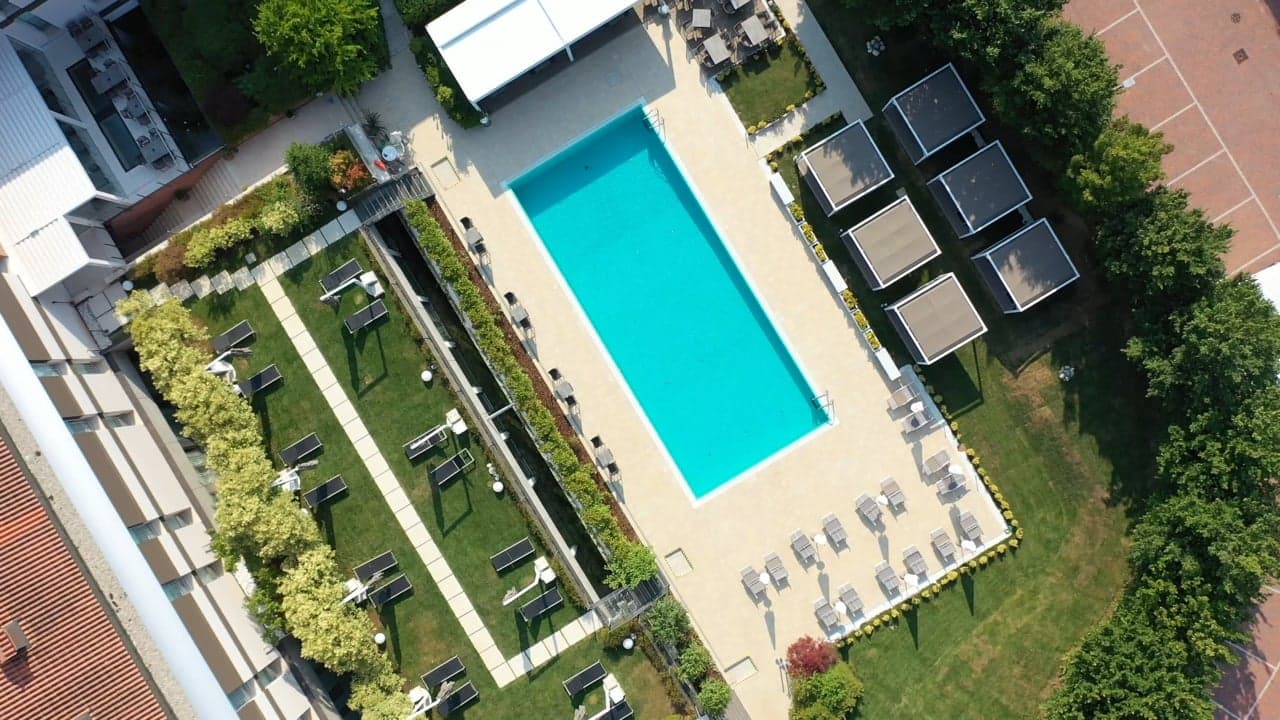
Drone Photography Rules UK Businesses Need to Know
The rules that actually affect whether your business can get a drone shot at all.
Photography and Video · 4 August 2026 · 3 min read
Written by the Biztour team - Google Trusted Photographers since 2013.
Aerial photography looks simple from the ground: a drone goes up, gets the shot, comes down. The part that actually determines whether it's legal and insurable happens before that, in registration, certification and airspace checks that a lot of businesses assume a photographer just handles invisibly. Here's what's actually involved, so you know what to expect and what to ask a supplier.
This isn't legal advice, and UK drone regulation is set by the Civil Aviation Authority (CAA) and does change, so always check current guidance for anything you're relying on. What follows is the practical shape of it for a business commissioning aerial photography.
- A commercial operator needs CAA registration and pilot certification, this isn't optional
- Location matters as much as the operator: airports, prisons and some events create no-fly restrictions
- A properly certified supplier handles all of this invisibly, so you never need to think about it
- Ask any drone supplier for their CAA operator ID before booking, it's a fair, checkable question
Registration and certification aren't optional
Anyone flying a drone over 250g in the UK needs an Operator ID from the CAA, and the person flying it needs a Flyer ID, which involves passing a free online theory test. For commercial work specifically, and especially for flying closer to people, property or built-up areas than the basic rules allow, an A2 Certificate of Competency or a General Visual Line of Sight Certificate is generally required.
A properly set up commercial operator will hold the right certification and appropriate insurance, and should be able to tell you which one without hesitating. If a supplier can't answer that clearly, treat it as a red flag.
Want this costed for your own space?
Tell us the size of the place and what it is for. You get a written quote, and we aim to reply within 15 minutes in business hours.
Airspace and location checks happen before the shoot
Certain areas are restricted or require permission before a drone can fly at all: near airports, over some public events, and other restricted zones. A commercial operator checks this in advance using the CAA's own tools, not on the day.
Property boundaries and privacy also matter in practice, even where they're not strictly aviation rules: flying over a neighbouring business or residential garden without a reason to be there is worth thinking through with whoever's planning the shoot, particularly for anything low-level.
What this means for booking a shoot
In practice, this means aerial photography needs a bit more lead time than a ground shoot, because permissions and checks happen beforehand, not on arrival. It's also why aerial work tends to be priced as its own service rather than bundled invisibly into a standard shoot: the certification, insurance and planning behind it is real overhead, not padding.
If your business is considering aerial photography or video for the first time, it's worth asking your photographer directly what certification they hold and how far in advance they need to plan the flight, rather than assuming it's the same as booking a ground-level shoot.
Watch it
Questions people ask
Do I need permission from neighbouring properties?
Not always legally, but it's good practice to let neighbours know if a drone will be operating near their property, particularly for anything low-level or prolonged.
How far in advance should aerial photography be booked?
Give it more notice than a standard shoot. Airspace and permission checks take time, and weather, wind especially, can push a flight date, so building in flexibility helps.
Drone and aerial photography for every kind of business
Over 13years of shooting means we've worked in almost every kind of space. Find yours to see what a tour does for your industry.
Trusted by





















Ready to open your doors 24/7?
Our prices start at £525 and are based on your specific requirements. We aim to respond to all form submissions and email enquiries within 15 minutes during business hours.
5-star rated on Google


