
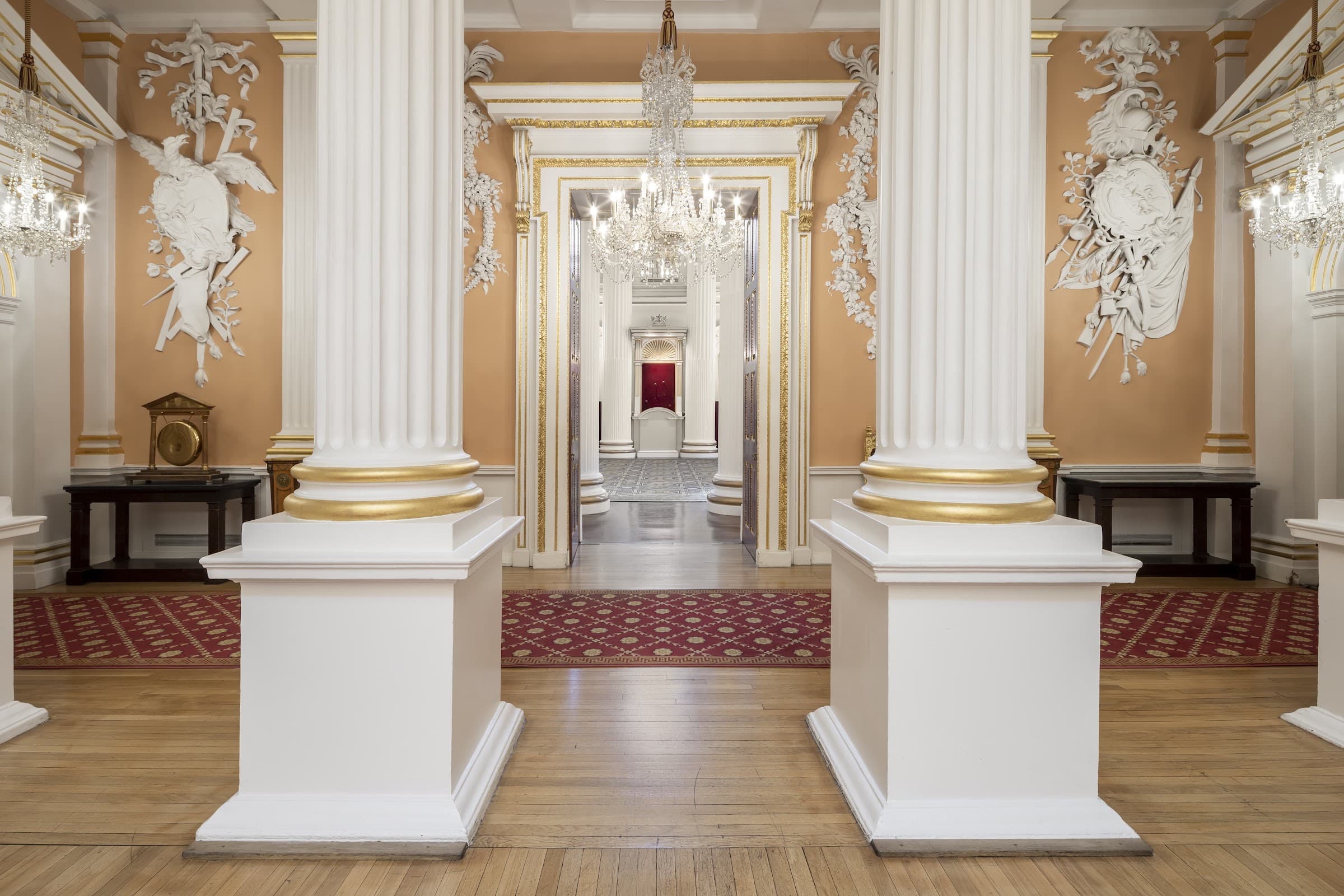
How Professional Photographers Light Interior Spaces
Turning on every light is the starting point, not the technique.
Photography and Video · 8 August 2026 · 2 min read
Written by the Biztour team - Google Trusted Photographers since 2013.
Turning on every light in a room is good advice, and it's also only the starting point. What actually separates a flat, evenly-exposed interior shot from one that reads as genuinely inviting is a set of decisions most people never think to make: balancing window light against room light, exposing for the highlights without losing the shadows, and shooting at the moment the room's own light is doing something interesting.
- Balancing daylight from windows against artificial room lighting, not just picking one
- Exposing to hold detail in both bright and dark areas of the same frame
- Shooting multiple exposures and blending them, standard practice for interiors with any window light
- Timing the shoot to when the room's own light looks best, not just whenever's convenient
The window light problem
A single exposure that looks right for the room's interior lighting almost always blows out a window to pure white, and one exposed for the window plunges the room into darkness. Professional interior photography routinely blends multiple exposures of the same frame, holding detail in both the bright window and the dimmer interior, which is invisible technique but the single biggest reason a professional shot looks natural where a phone photo looks harsh or flat.
Want this costed for your own space?
Tell us the size of the place and what it is for. You get a written quote, and we aim to reply within 15 minutes in business hours.
Colour temperature, and why mixed lighting is tricky
Daylight, warm room lighting and cool overhead fluorescents all have different colour temperatures, and a camera has to be told which one to treat as 'true white' or everything shifts orange or blue. A room lit by a mix of all three, common in real interiors, needs careful correction, sometimes lit or gelled during the shoot itself, to read as natural rather than colour-cast.
Timing matters more than people expect
A room with big windows looks completely different at 11am with harsh direct sun than at 4pm with soft, even light, and an experienced photographer will time the shoot around that rather than treating any hour as equally good. This is the same principle golden hour applies to exteriors, just less widely known for interiors.
Questions people ask
Should we turn off some lights for a more atmospheric shot?
Generally no, for a business-facing shoot we want the space to read as bright, clean and genuine. Every light on is still the right starting instruction, technique is what happens after that.
How long does lighting take relative to the rest of a shoot?
It's usually the biggest time factor in any single scene, assessing the light, sometimes adjusting blinds or supplementary lighting, before capture even begins.
Interior photography for every kind of business
Over 13years of shooting means we've worked in almost every kind of space. Find yours to see what a tour does for your industry.
Trusted by




























Ready to open your doors 24/7?
Our prices start at £525 and are based on your specific requirements. We aim to respond to all form submissions and email enquiries within 15 minutes during business hours.
5-star rated on Google


